Against the backdrop of manufacturing digitalization, the aluminum processing intelligent production line has become a key to breaking through the bottlenecks of traditional aluminum processing. In 2025, the global demand for integrated aluminum processing solutions is growing at 15% annually. Traditional discrete processing (separate cutting, bending, welding) leads to 20% production delay and 12% material waste. The aluminum processing intelligent production line that connects multiple processes is becoming the first choice for enterprises to achieve lean production.
1: Pain Points of Traditional Aluminum Processing Lines
Traditional aluminum processing relies on separate equipment and manual handover:
Low efficiency: It takes 2-3 hours to switch between cutting, bending, and drilling processes, and the transfer of semi-finished products wastes 15% of working hours;
High error rate: Manual positioning between processes leads to cumulative errors (up to ±0.15mm), and the rework rate exceeds 8%;
High labor cost: 5-6 workers are required per production line, and skill gaps cause unstable product quality.
A senior engineer of a construction aluminum material enterprise said: “Our old production line could only finish 80 sets of curtain wall profiles daily, and the inconsistent quality often led to customer complaints.”
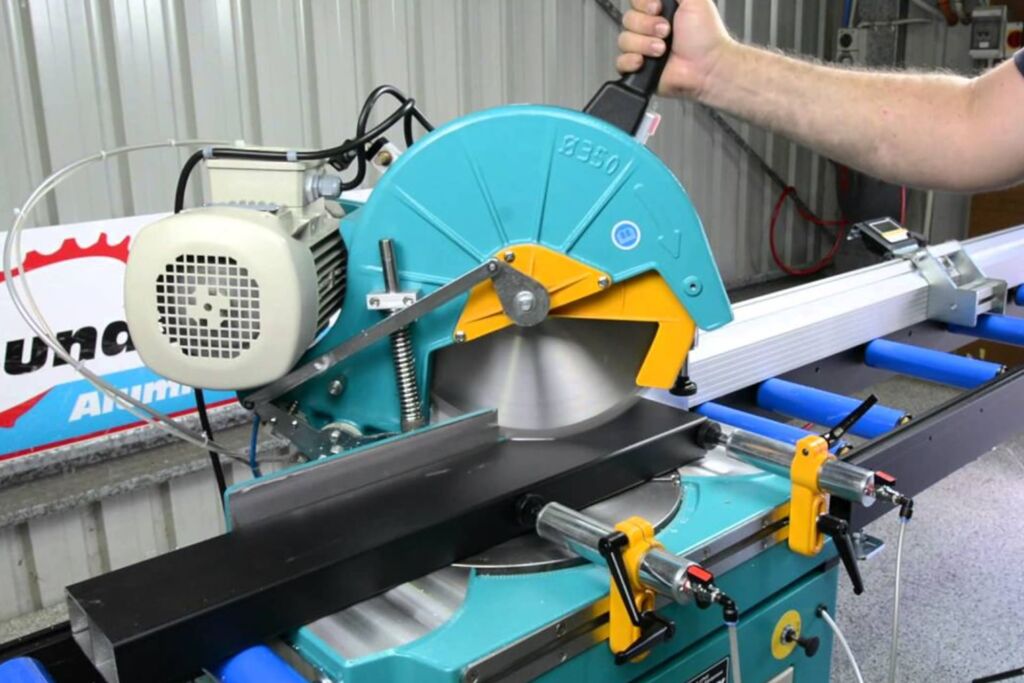
Traditional manual aluminum processing equipmentby Jiurun Technology R&D Team
2: Core Advantages of Aluminum Processing Intelligent Production Line
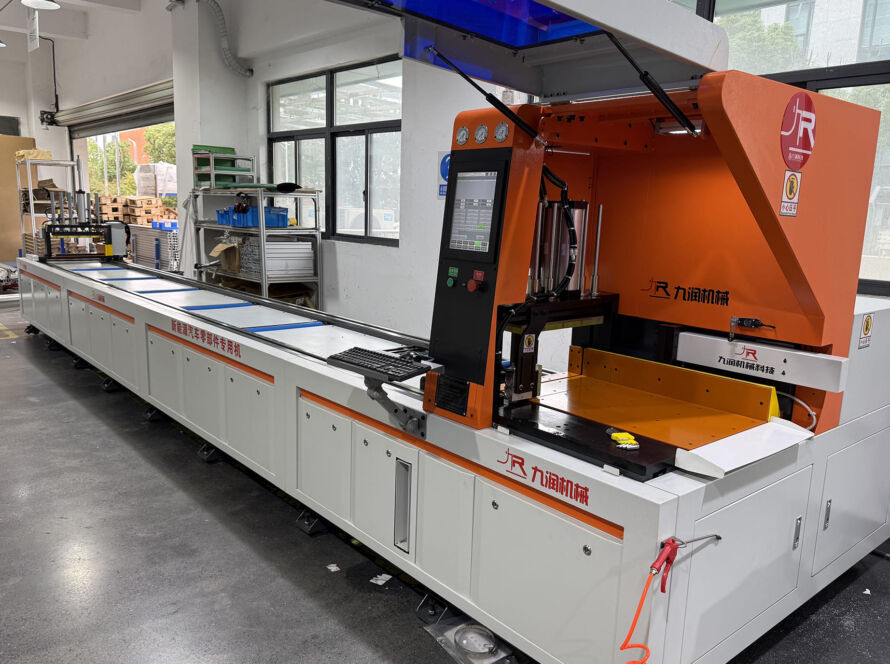
The aluminum processing intelligent production line integrates cutting, bending, welding, and inspection into one, with three core upgrades:
Integrated control system: Unifies process parameters (cutting precision, bending angle) to reduce cumulative errors to ±0.03mm;
Automated transfer: AGV robots connect processes, cutting transfer time by 90% and realizing 24-hour continuous operation;
Data-driven optimization: Collects 100+ process data points in real time, and AI adjusts parameters to stabilize product qualification rate at 99.2%.
A manager of a new energy vehicle frame manufacturer shared: “After launching the aluminum processing intelligent production line, our production line only needs 2 workers for monitoring. Daily output of car body aluminum frames increased from 60 sets to 80 sets (up 33%), material waste dropped from 12% to 3%, and the comprehensive production cost per unit decreased by 22%.”
Production Manager, Jiangsu New Energy Vehicle Parts Enterprise
3: Application Scenarios of Intelligent Production Lines
The aluminum processing intelligent production line adapts to multiple industries:
New energy vehicles: Produces lightweight body frames, realizing 1-minute per set of aluminum profile processing (vs. 3 minutes traditionally);
Construction curtain walls: Customizes 8+ profile types in batches, cutting order delivery time by 40%;
Photovoltaic brackets: Adapts to 5-12m long profiles, with 95% material utilization (10% higher than traditional lines).
4: Future Trend: Digital Twin & Flexible Production
The aluminum processing intelligent production line will evolve toward “digital twin + flexible configuration”:
Digital twin: Simulate production processes online to predict equipment failures 72 hours in advance;
Flexible switching: Support 10+ profile specifications switching within 5 minutes (vs. 2 hours traditionally);
Industrial Internet connection: Link to upstream and downstream supply chains to realize “order → production → delivery” full-link visualization.
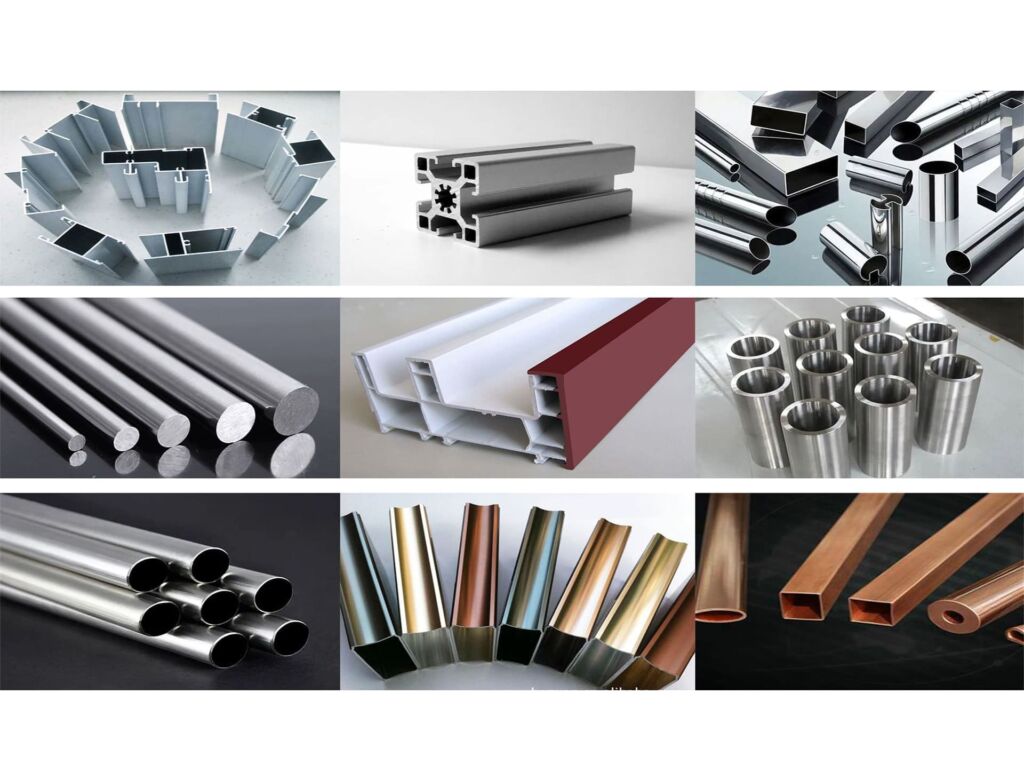
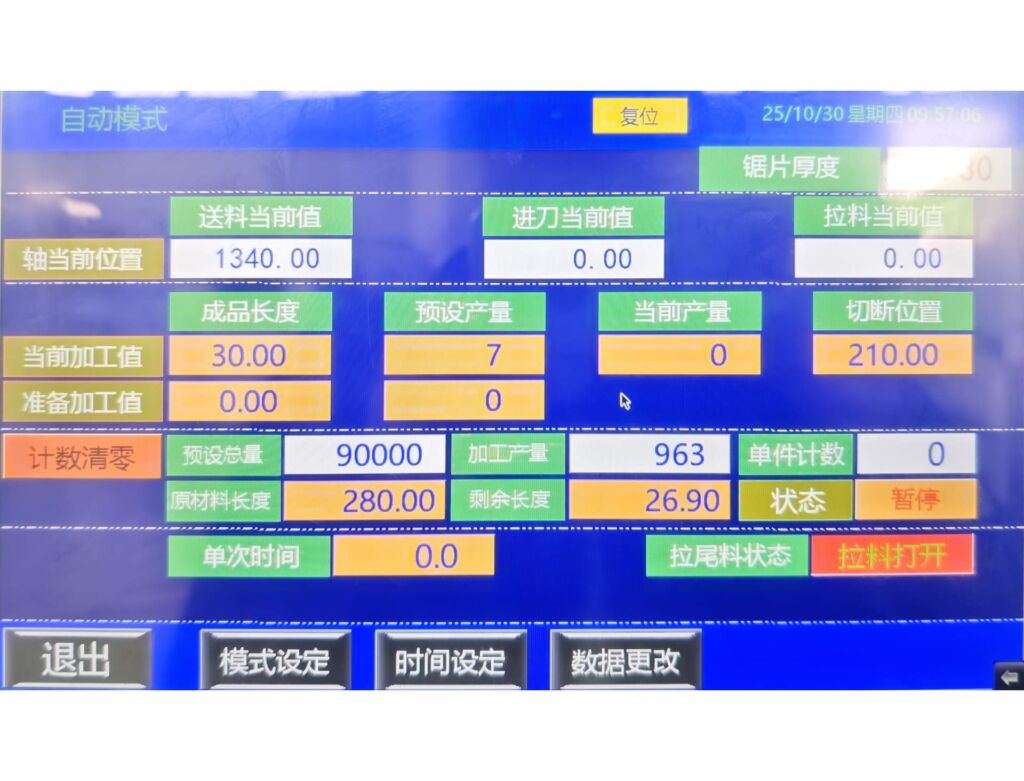
Aluminum profile applications of intelligent production lineDigital twin control interface of aluminum production line
The aluminum processing intelligent production line is not just equipment integration, but a reconstruction of the aluminum processing production model. As the demand for high-efficiency and low-cost production increases, it will become the core infrastructure for enterprises to gain competitive advantages in the intelligent manufacturing era.